
However, they are generally less effective in preventing severe withdrawal complications like seizures, so careful monitoring is still required. Alcohol withdrawal can be a dangerous and even life-threatening process, making medical supervision and evidence-based treatments essential. Medication-Assisted Treatment (MAT) offers a structured approach to managing withdrawal symptoms, reducing cravings, and preventing complications.
Is it safe to give phenobarbital to a patient who has already received benzodiazepines?
- They’re an important means of treating many conditions, ranging from mental health disorders to brain-related diseases.
- Recognizing these initial symptoms promptly allows for timely intervention, potentially preventing progression to more severe complications.
- DTs is relatively rare, affecting about 3-5% of people going through alcohol withdrawal.
The timing of alcohol withdrawal symptoms is not a one-size-fits-all scenario. This is in stark contrast to occasional heavy drinkers, who might not notice any symptoms until hours post-consumption. The body’s adaptation to chronic alcohol exposure accelerates the onset of withdrawal, as the central nervous system becomes hyper-excitable in the absence of alcohol. The critical window for assessing alcohol withdrawal begins as early https://kingcuan78.com/alcohol-poisoning-symptoms-first-aid-st-john/ as 6 hours after the last drink, with symptoms typically peaking within 24 to 48 hours.

Alcohol withdrawal symptom timeline
Alcohol withdrawal seizures typically occur within 6 to 48 hours after the last drink, marking a critical phase in the withdrawal timeline. These seizures are a severe complication of alcohol cessation, particularly in individuals with a history of heavy, prolonged drinking. The risk is heightened due to the brain’s hyper-excitable state when deprived of alcohol, a substance that acts as a central nervous system depressant. Preventing these seizures requires a proactive approach, combining medical intervention, hydration, and vigilant supervision to stabilize the patient and mitigate risks. Practical steps can reduce the likelihood of seizures during withdrawal. Gradual tapering of alcohol intake under medical guidance, rather than abrupt cessation, can minimize neurological stress.

What is the treatment for alcohol withdrawal?
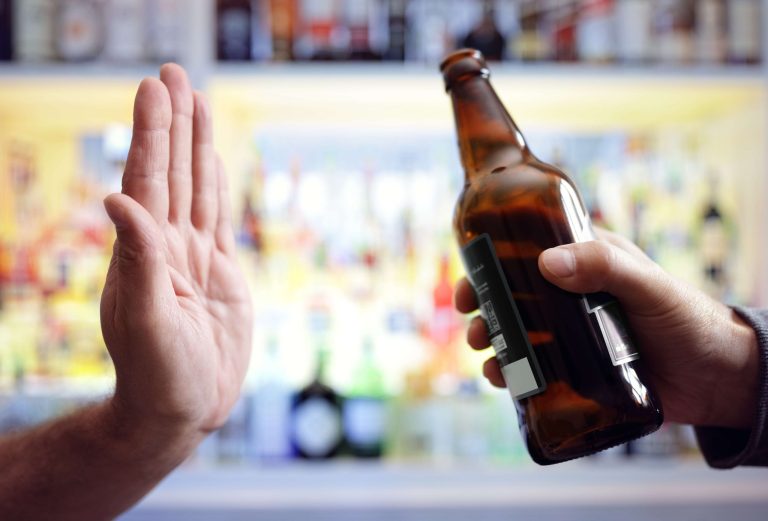
Evaluating beyond 48 hours often means missing the opportunity to prevent severe withdrawal, as symptoms may already be life-threatening. For example, a patient assessed 72 hours after their last drink might present with seizures, requiring intensive care instead of outpatient management. Early assessment not only improves amphetamine addiction treatment outcomes but also reduces healthcare costs by avoiding emergency interventions. Practical tips for non-clinical settings include monitoring for subtle signs like restlessness, sweating, or irritability, which often precede more overt symptoms. Caregivers should note the time of the last drink and track changes in behavior or vital signs (e.g., elevated heart rate or blood pressure). If access to medical tools is limited, documenting these observations can provide critical context for healthcare providers.
- These are not mere shakes but a neurological reflex to the sudden imbalance in GABA and glutamate levels, the brain’s primary inhibitory and excitatory neurotransmitters.
- Your healthcare provider can explain their recommendations for your treatment, including the timeline for which treatments you receive and why.
- For example, benzodiazepines can cause profound sedation, and antipsychotics may mask symptoms of alcohol withdrawal without addressing the root cause.
- Alcohol withdrawal seizures are serious and potentially life-threatening complications that can occur during the withdrawal phase from chronic heavy alcohol use.
Within the first 6 to 12 hours, alcohol withdrawal seizure the body begins to rebel against the absence of alcohol, triggering a cascade of early withdrawal symptoms. These initial signs—anxiety, insomnia, nausea, and tremors—are the body’s first alarm bells, signaling the start of a complex detoxification process. For individuals who have consumed alcohol heavily, often defined as more than 15 drinks per week for men or 8 for women, these symptoms can be particularly pronounced. Understanding this timeline is crucial, as it marks the beginning of a critical phase that requires vigilance and, often, professional intervention.