
Whoa!
I pulled a crypto card from my wallet yesterday.
It felt like carrying a seed phrase in my pocket, but sleek.
At first glance the idea of cold storage that fits inside a credit-card slot seemed almost too convenient, though beneath that convenience there are subtle design tradeoffs and threat models you need to understand before you bet serious funds on any NFC-enabled wallet.
Here’s the thing: not all crypto cards are built the same.
Seriously?
Yes — seriously, and I’m biased toward offline keys.
My instinct said cards will beat apps for casual everyday use.
But then I dug into the threat model: NFC adds convenience by avoiding cable-based connections, yet that same radio interface expands the attack surface in ways people often miss, such as relay attacks, malware-on-host scenarios, and user negligence when losing a card.
So you need to pick wisely and set realistic expectations.
Hmm…
Let me walk you through what matters most for a crypto card.
First, true cold storage means the private key never leaves the secure element.
However, implementations differ: some cards store keys in certified secure chips while others rely on proprietary firmware without third-party audits, and that difference—trustworthy silicon versus closed black boxes—changes the calculus for who should use which product.
Oh, and by the way, user experience matters a lot for backup discipline.
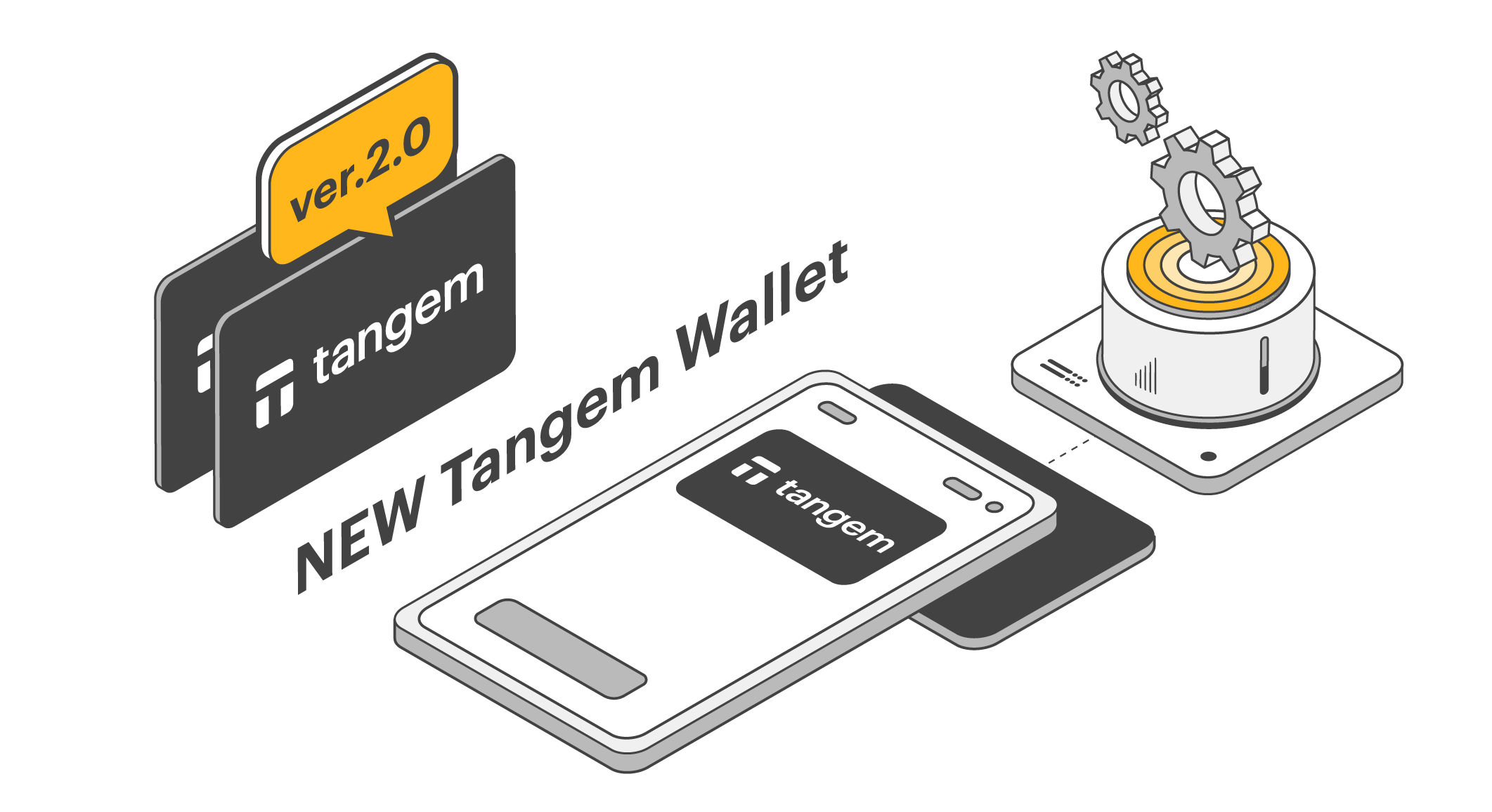
Real-world pick: why I tend to point people to tangem
Here’s the thing.
I tested a few NFC card wallets and ended up recommending tangem to several people I trust.
It strikes a tidy balance of form factor, offline key storage, and a straightforward mobile flow.
Although the company isn’t perfect and some features are regional, the overall experience of tapping a card to sign transactions without exposing seed words to your phone removed a lot of friction that otherwise leads people to sloppy backups or repeated hot-wallet mistakes.
I’m not endorsing blind faith; check the audits and firmware policies.
Whoa!
Practical setup usually means generating the key on the card itself and storing recovery data.
People tend to skip or bung the backup step when the UI is clumsy.
So having a clear, occasionally redundant backup approach—paper, Shamir backups, or a hardware backup device—gives you options when life throws the inevitable screw-ups like lost cards, spills, or surprising software updates that break compatibility.
I’m biased, but redundancy saved my bacon once after a card walked away.
Really?
Security features to watch include secure element certification, firmware signing, and a good recovery scheme.
Also consider the mobile app’s permissions and whether pairing requires persistent trust.
On one hand some users want ultra-minimal devices with no Bluetooth and only NFC, though actually those constraints can make usability frustrating and lead to unsafe shortcuts like photographing QR codes for convenience.
Initially I thought minimal equals safer, but then I realized convenience dictates behavior.
Hmm…
Price is another filter; not everyone needs the top-tier model.
If you’re moving significant sums, pay for audits and manufacturer transparency.
For casual users who want a tangible mnemonic-free experience, a well-reviewed NFC card can be a great step up from seed phrases that vanish into messy screenshot habits, but you should still practice recovery drills and treat the card like cash.
I’m not 100% sure about every provider’s long-term support though—this industry evolves fast.
FAQ
Is an NFC crypto card truly cold storage?
Short answer: mostly yes, if the private key is generated on the secure element and never exported.
On the other hand you must check whether firmware updates are optional and how recovery is handled, because somethin’ subtle there can change the risk profile.
What happens if I lose the card?
If you followed a proper backup plan you can recover funds using your recovery phrase or Shamir shares, so the card itself isn’t a single point of failure.
Practice the restore once or twice with small amounts—it’s very very important to know the drill before something actually goes wrong.